Flashcard decks for learning a language.
- Platforms
- iOS, Web
 Visit the Stacks website
Screenshots
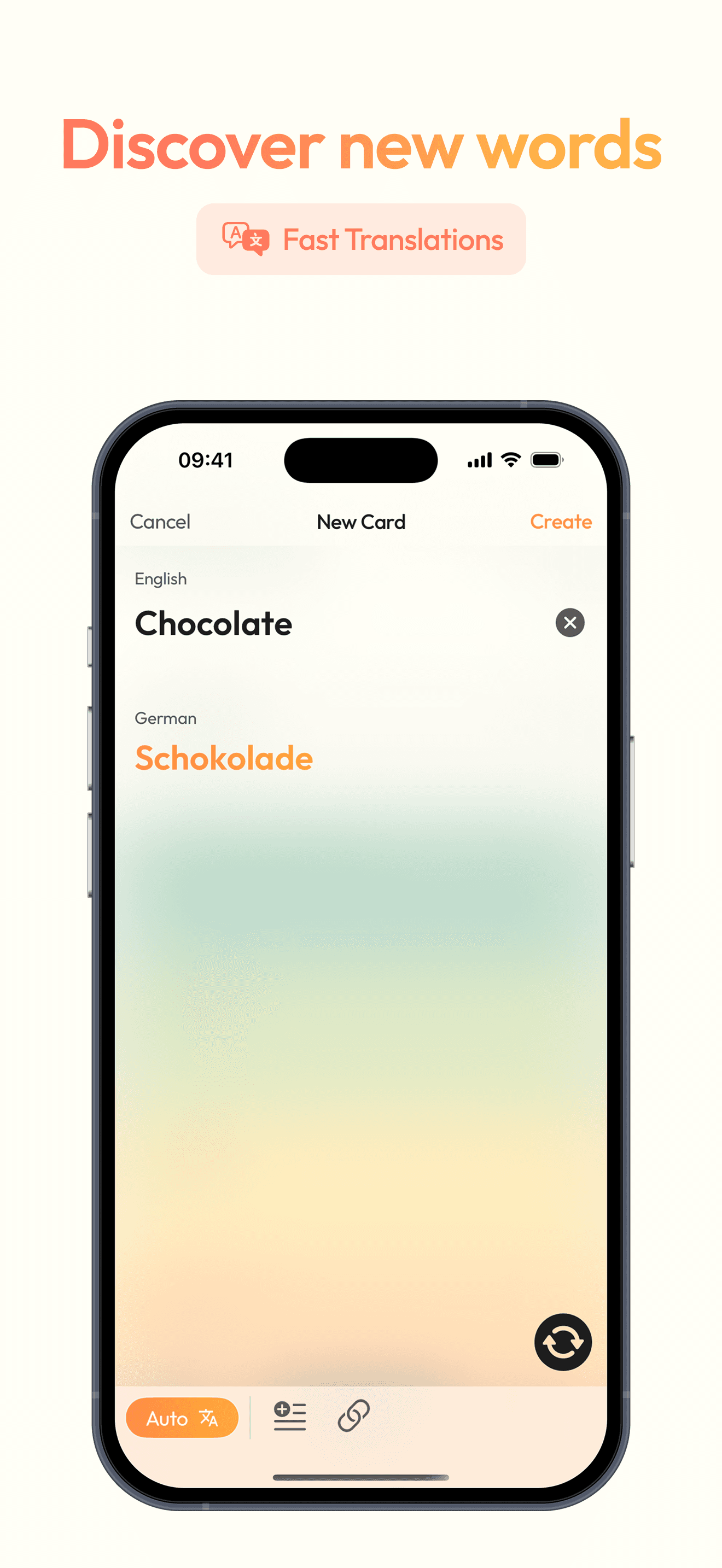
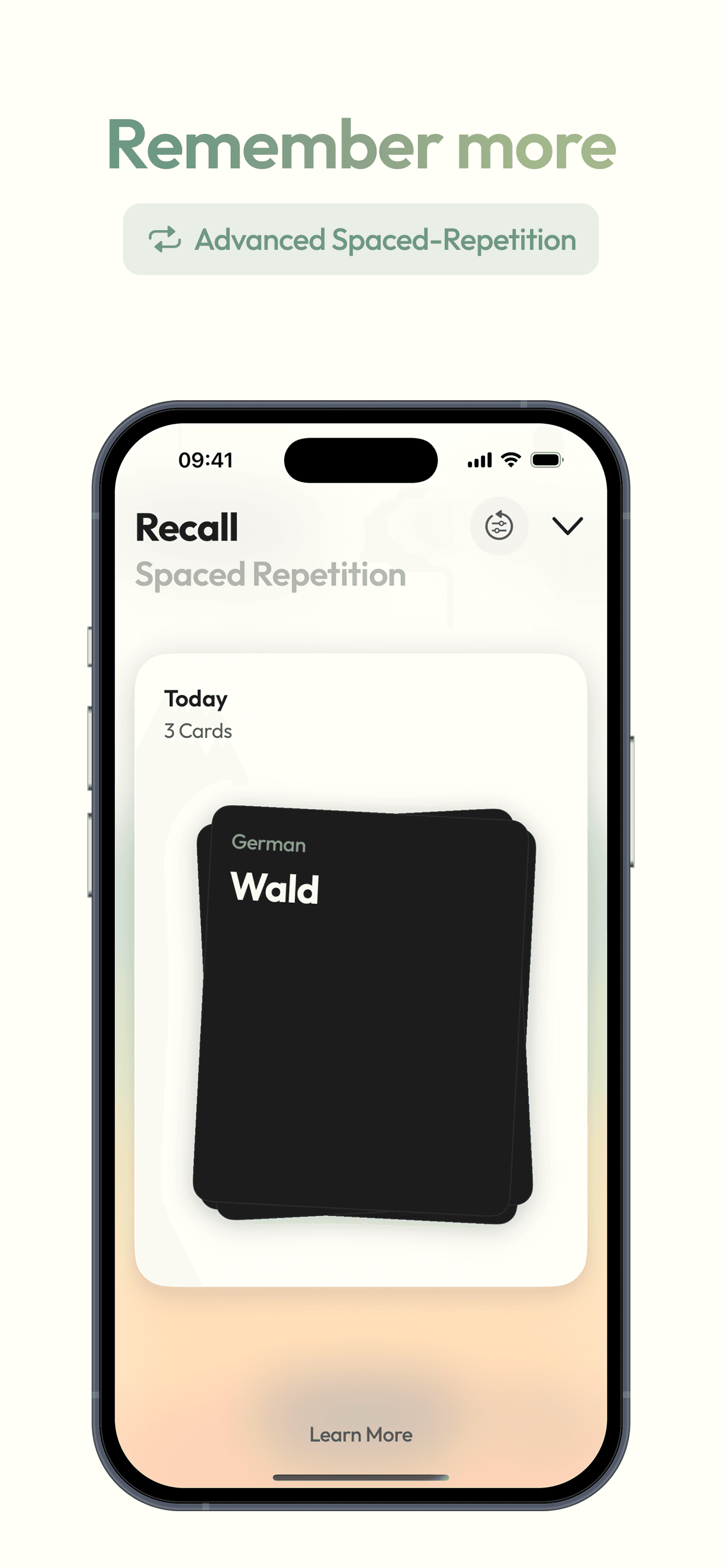
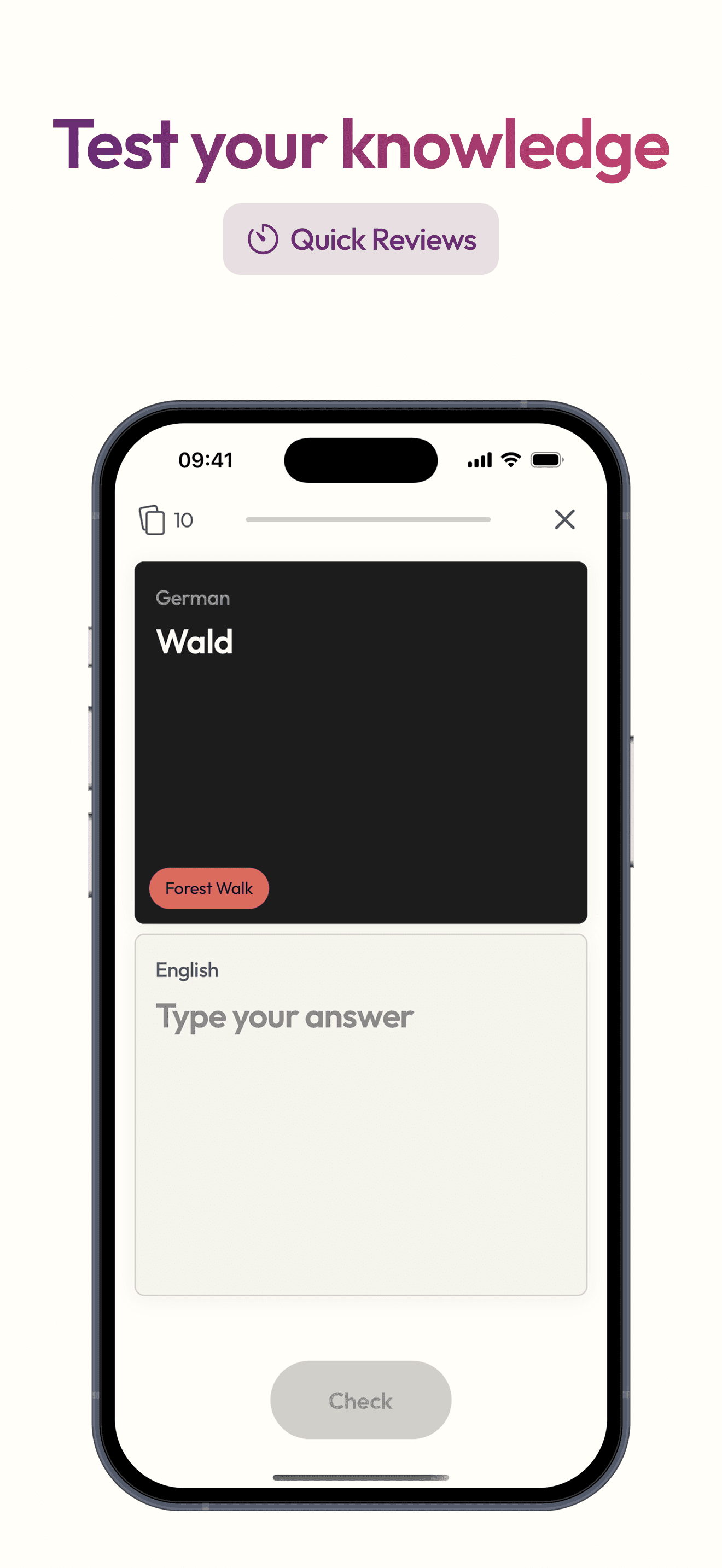
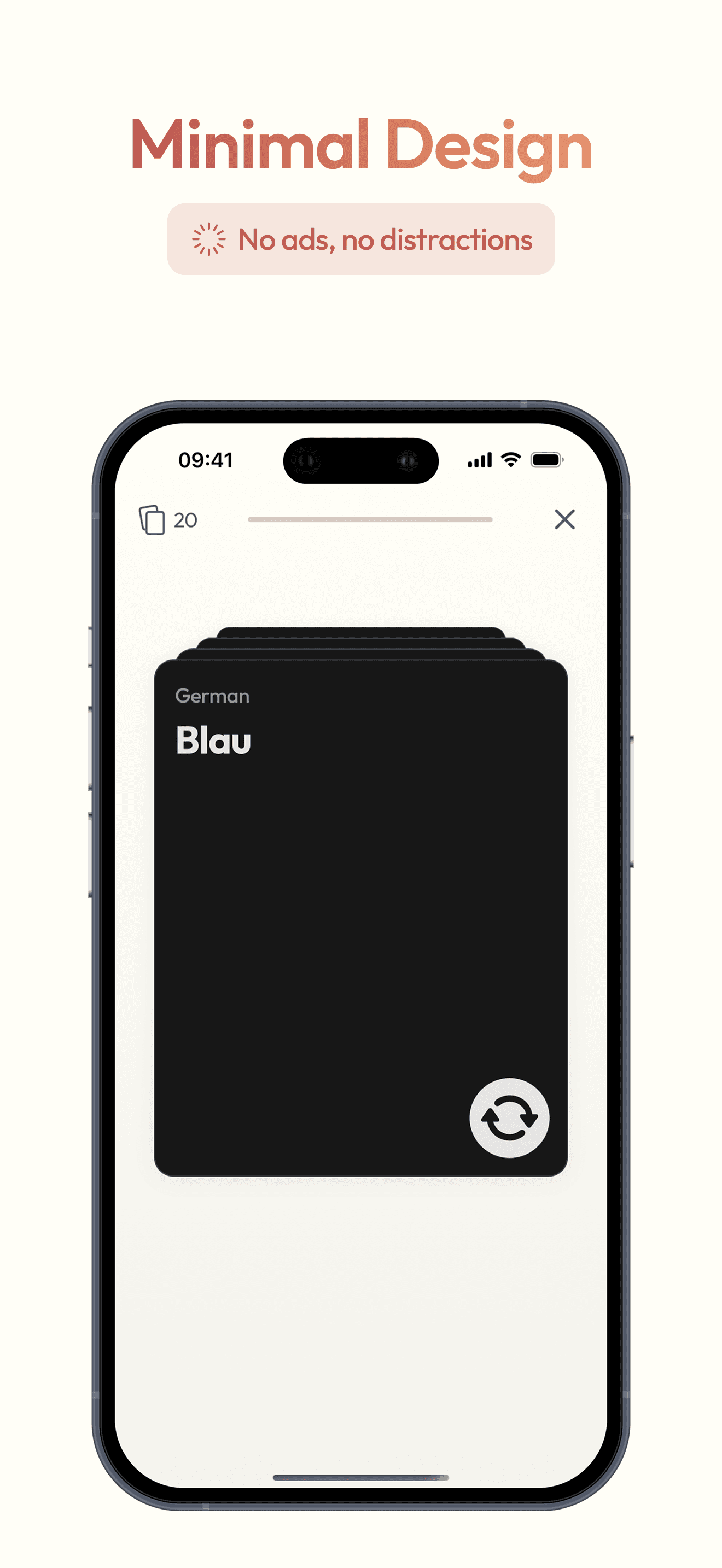
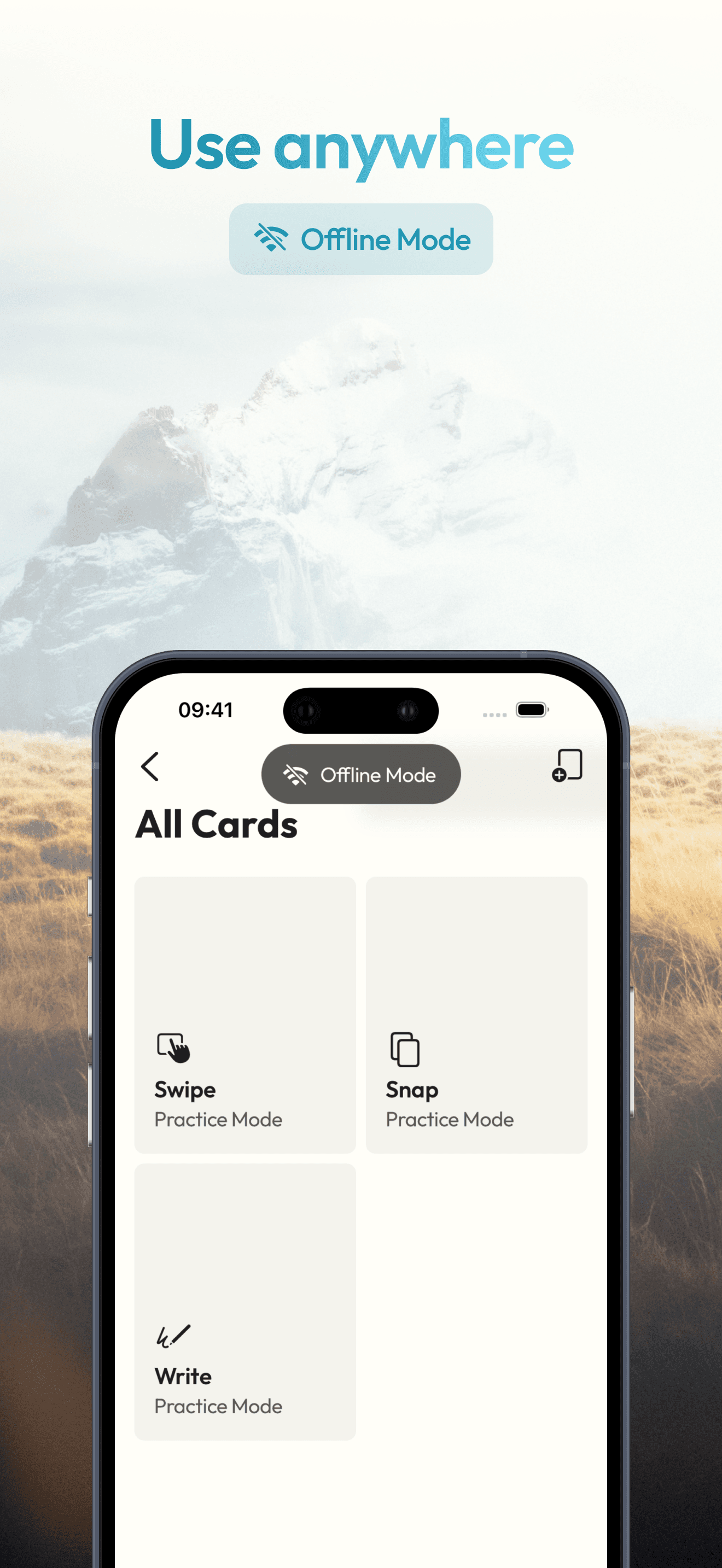
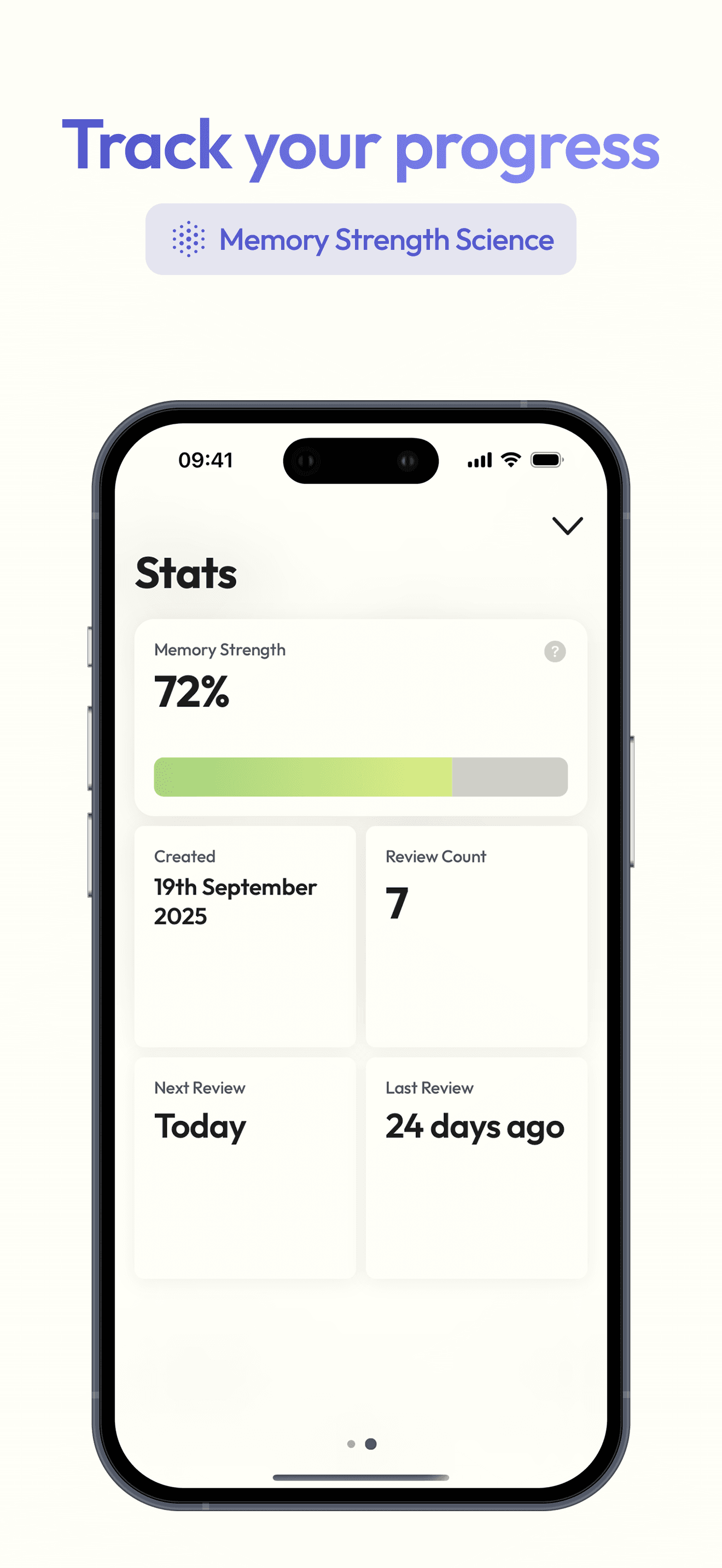
Interactions
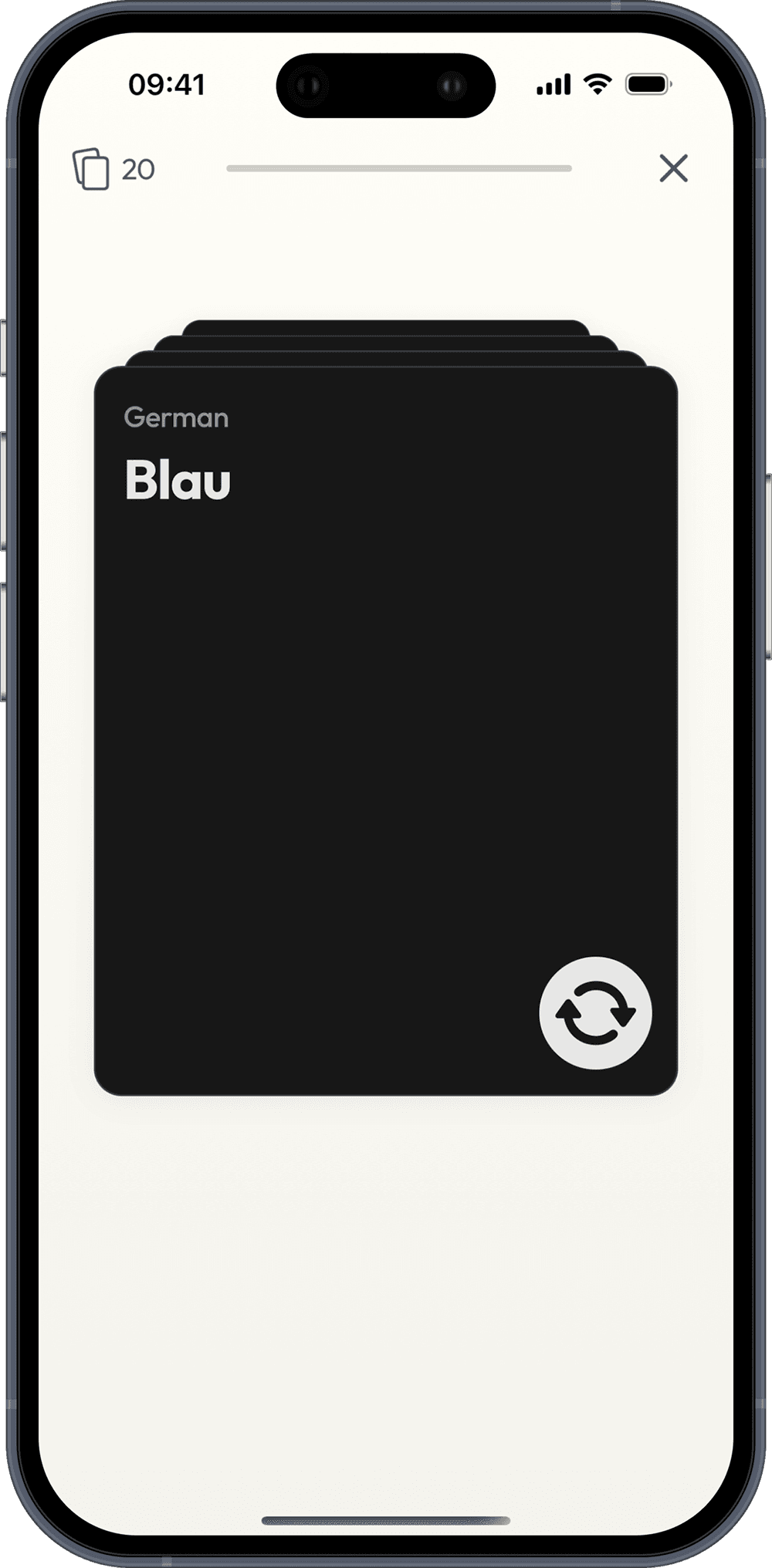
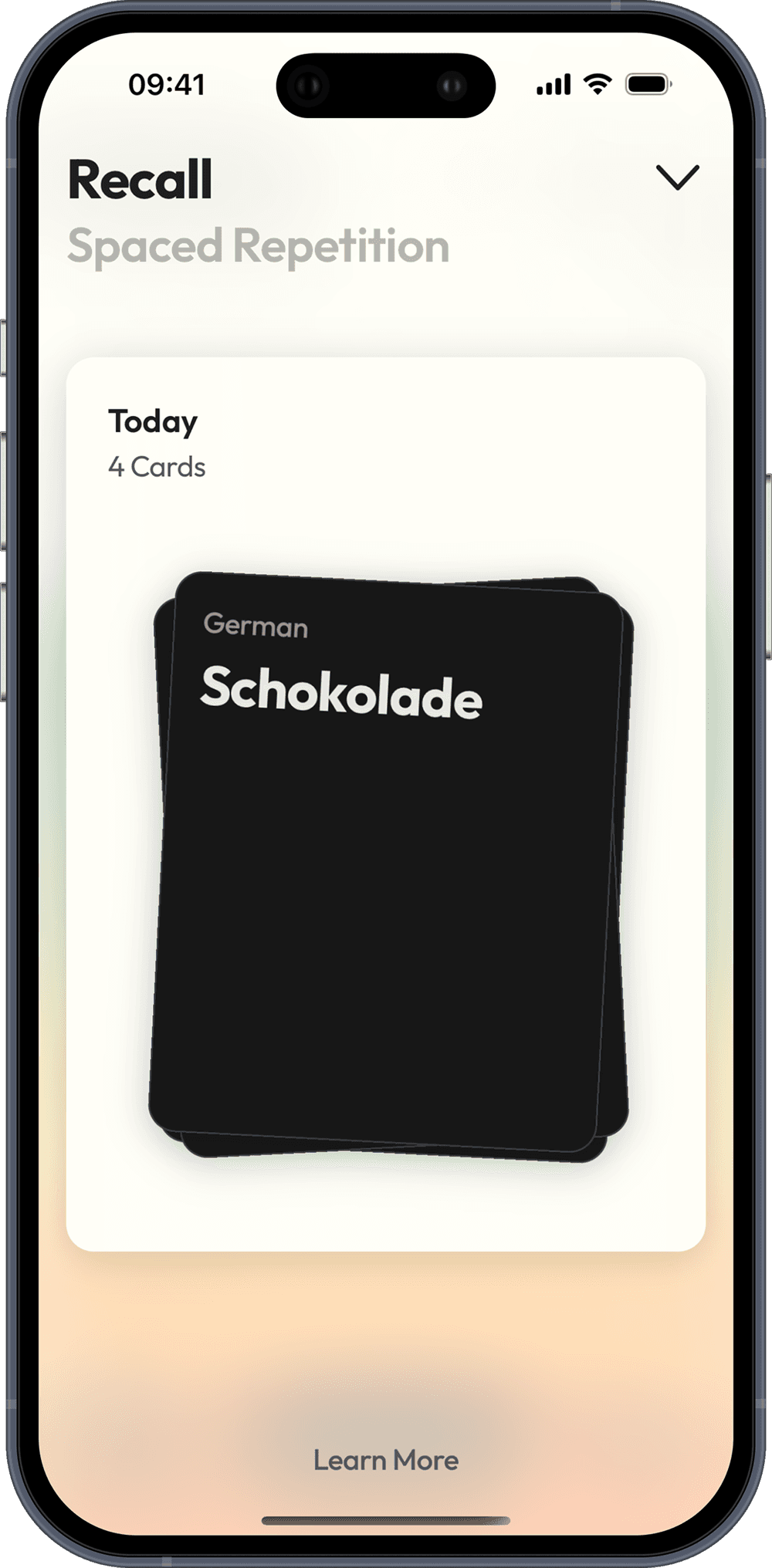
The app is full of micro interactions, here are a few for onboarding, the main coverflow and inspecting a card
Design decisions
Once-per-day reviews by design
Cards can only be formally reviewed once per day, avoiding the repetitive ‘back into the pile’ behaviour common in other flashcard apps. This keeps sessions short, intentional, and focused on long-term retention rather than short-term grinding.
Memory strength as progress, not volume
Instead of counting raw reviews, the app surfaces a memory strength score that reflects how likely a word is to be recalled months later, giving users a clearer sense of progress without encouraging over-study.
Gesture-first learning flow
Core interactions are driven by swipes, scrolls, and draggable surfaces rather than menus, making reviews, browsing, and navigation feel lightweight and continuous.
Card creation front and centre
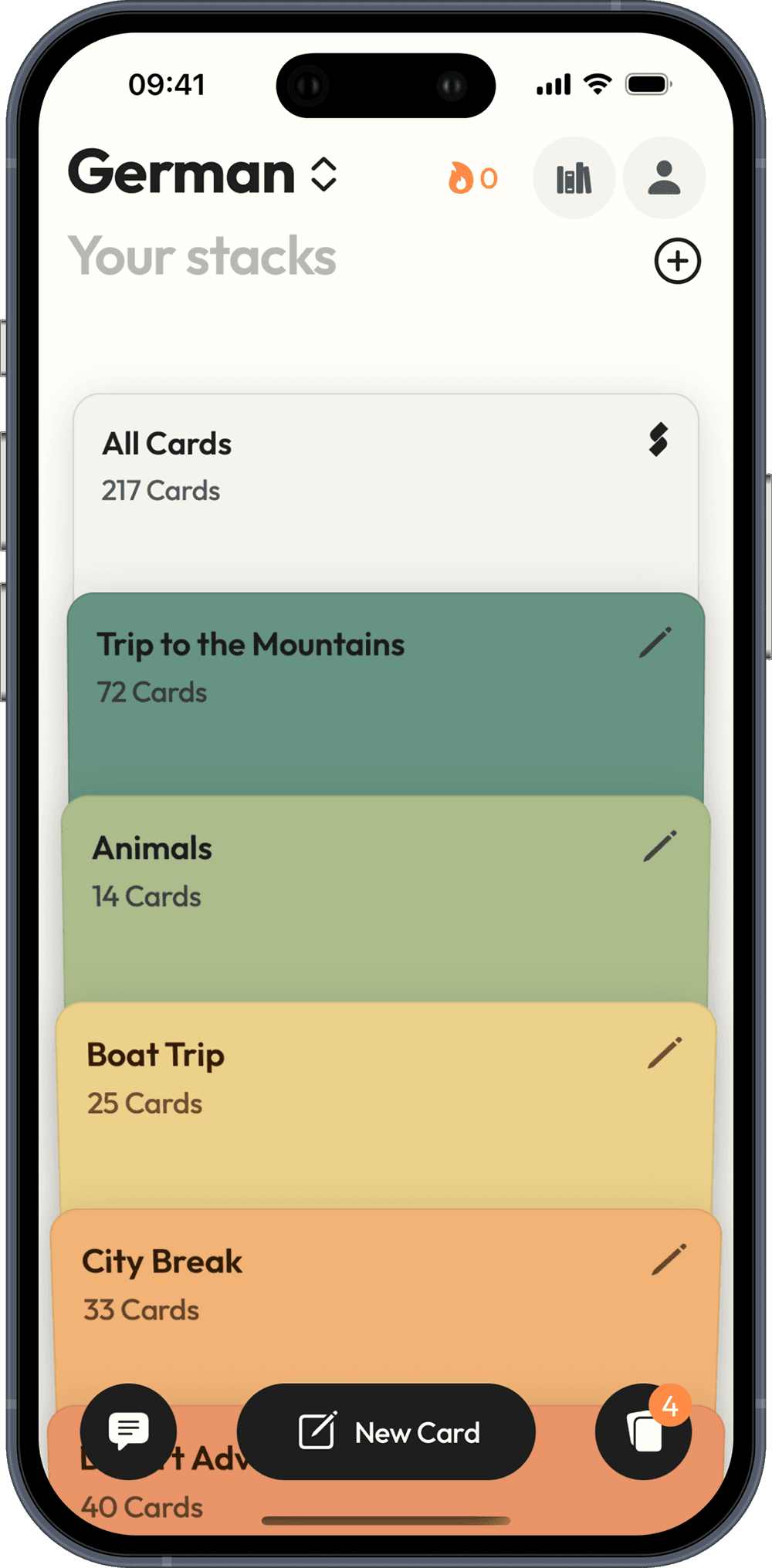
Creating a new card is always accessible from the main screen, supporting capture in the moment rather than treating card creation as a separate, heavy task.
Low-friction, context-aware capture
Cards can be created offline with automatic translation and optional context notes, allowing users to capture vocabulary wherever they are while clarifying meaning when needed.
Under the hood

Local First
Legend state 3.0 enables a local first approach, syncing between the app and Supabase and handling conflict management with a last write wins strategy. Also used for state management to reduce re-renders and integrates with React's standard state where needed.

Offline Auth
Supabase auth tokens are persisted locally and refreshed when an internet connection is available. Uses Google and Apple sign on.

Spaced-Repetition
Uses TS-FSRS library for processing card repetition properties and is the basis for measurements of how well a card is known.

Localization
Translated the app user interface into several languages including German, French, Portuguese, Italian, Japanese and others with i18n and automated OpenAI prompts via a script, checking with native speakers where possible.
Built with

Google Translate (V3)
Multi-language translation API for seamless localization and real-time content translation across the application. Also used for romanization on supported languages, using a double API call.

DeepL
Advanced neural machine translation API providing high-quality translations with natural language processing for Stacks+ users, enables context based translation - super useful for words which can have different meanings.

OpenAI
AI-powered API for intelligent translation. Much cheaper at the cost of latency than Google/DeepL, used for content generation where speed is not a priority and provides a foundation to build upon AI features in the future.

RevenueCat
In-app purchase and subscription management platform for monetization between Stacks and the app-store.

Resend
Used for handling auth related emails between Supabase and the end-user, the app uses social auth only for simplicity on launch but can also handle one-time-passcode and passwordless login.
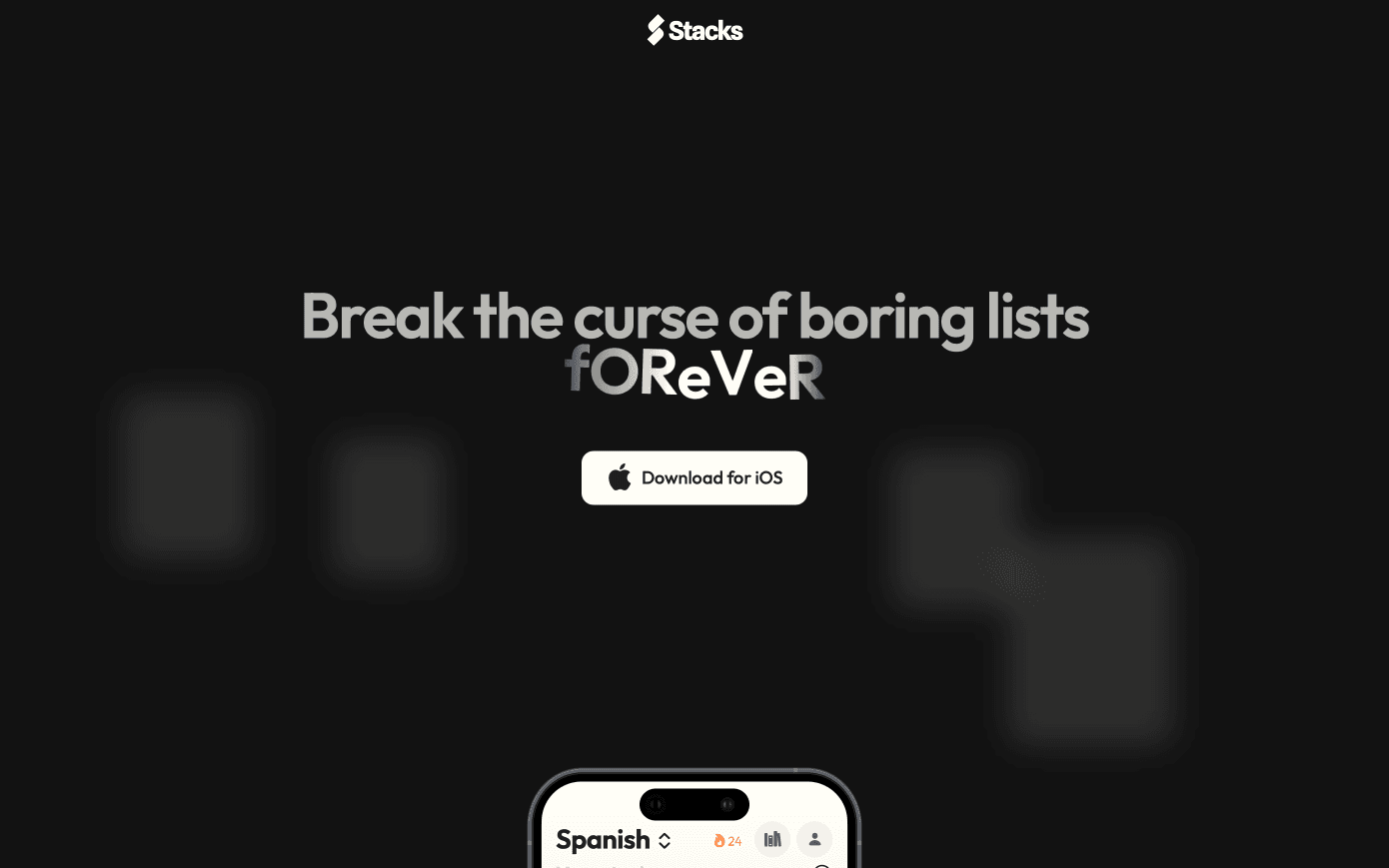
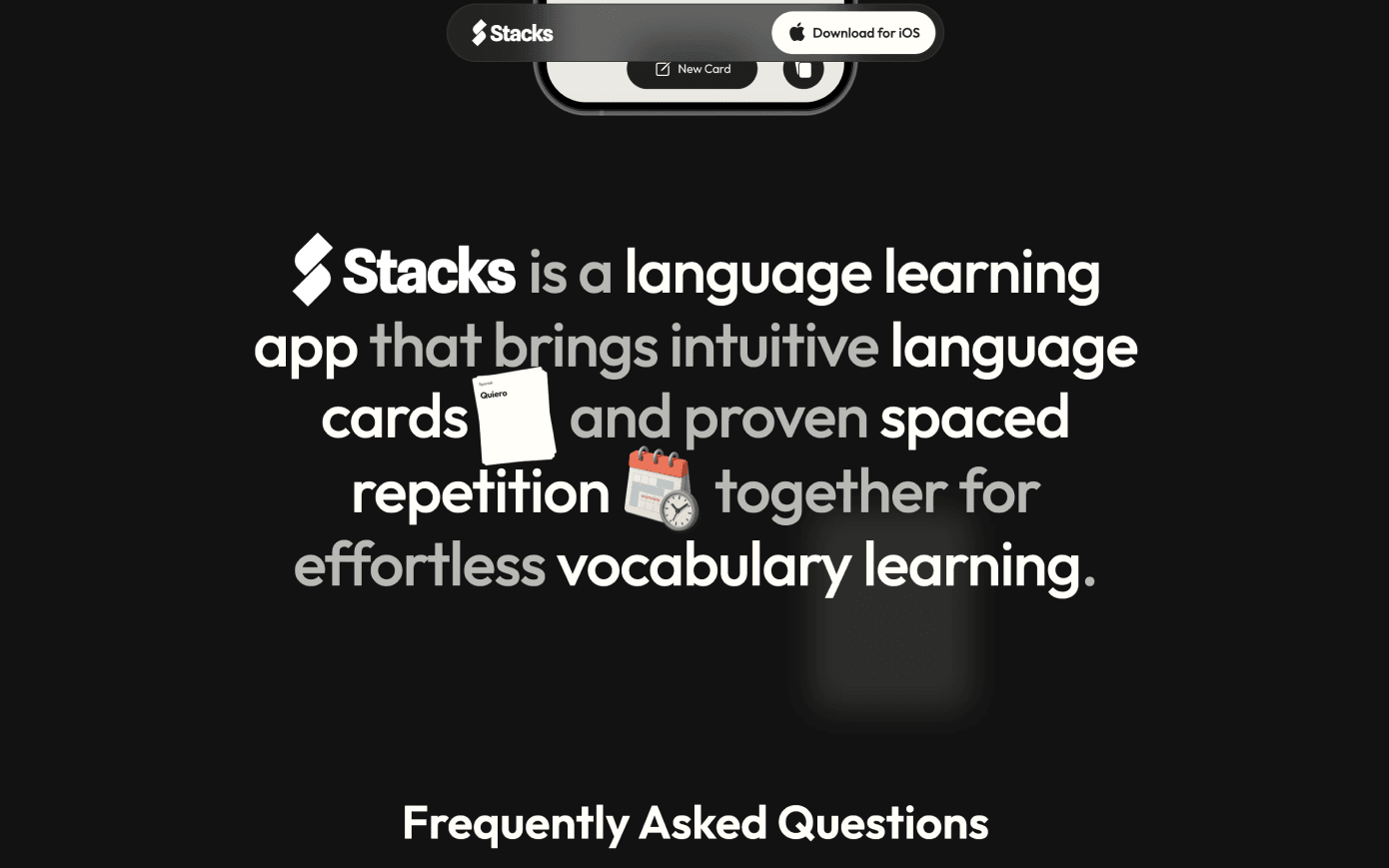
Marketing Page
 Lewis
Freelance developer
Start a project
I freelance with small teams on apps and web products. Tell me about yours.
2026 All Rights (and lefts 🏄🏽♂️) Reserved